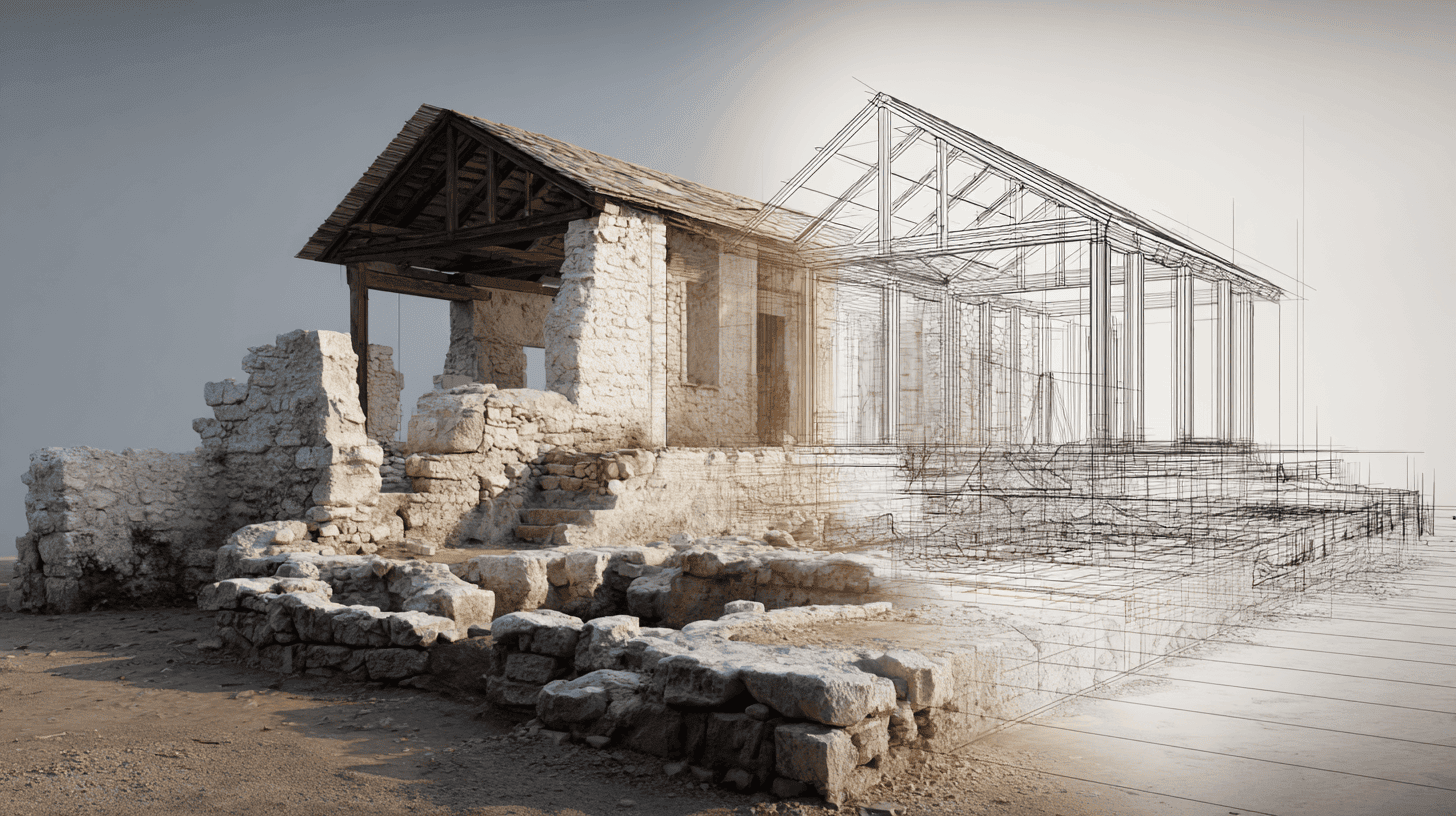
The concept of a “digital twin” refers to a highly detailed three-dimensional model representing a physical site. In archaeology, such models are increasingly used for documentation, preservation, and public interpretation.
Yet the term requires clarification.
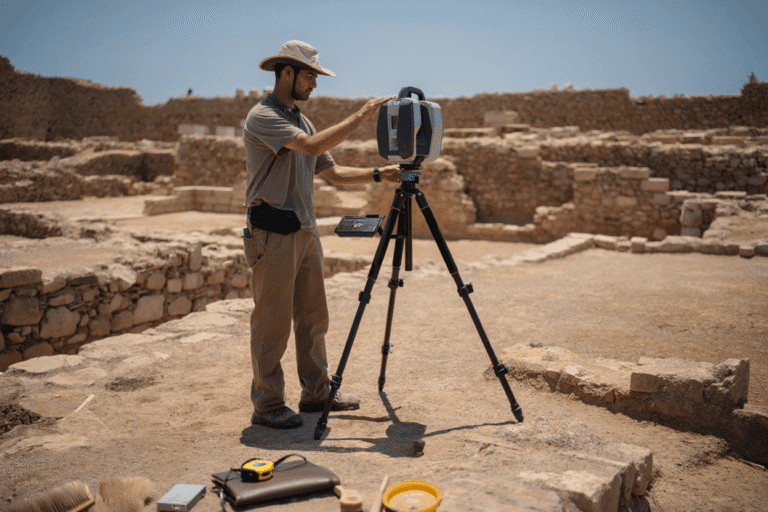
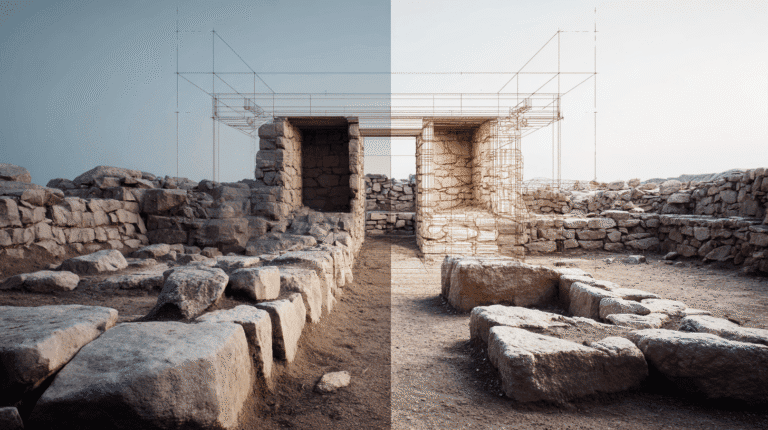
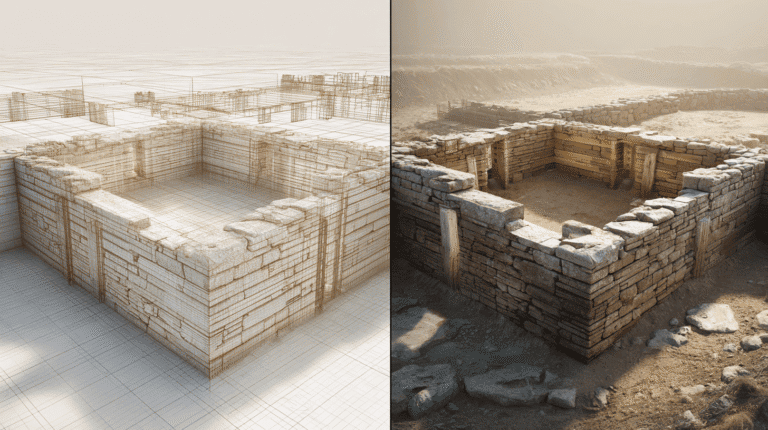
A digital twin based on laser scanning and photogrammetry constitutes measured documentation. However, once reconstruction layers are added — walls rebuilt, roofs hypothesised, surfaces completed — the model transitions from documentation to simulation.
Responsible practice distinguishes:
• Raw data capture
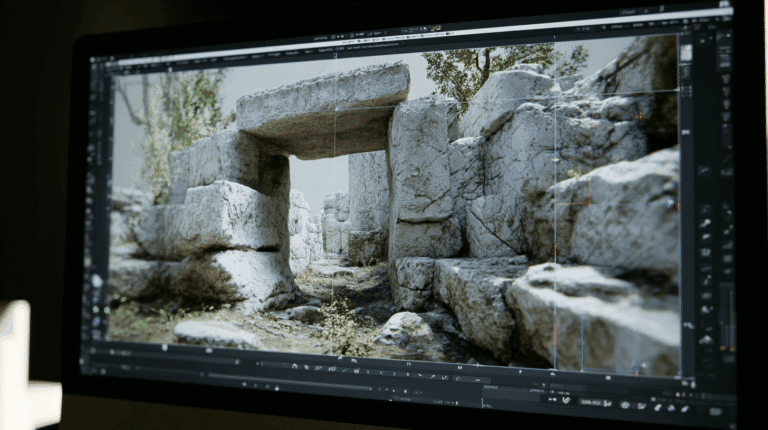
• Processed measurable models
• Interpretative reconstruction
• Educational visualisation
The value of digital twins lies not in illusion, but in analytical clarity.
When transparent about methodology, digital modelling enhances research and public understanding without replacing physical evidence.