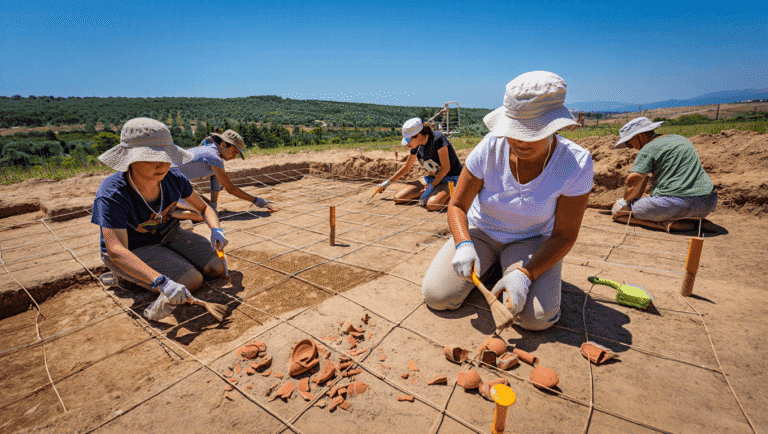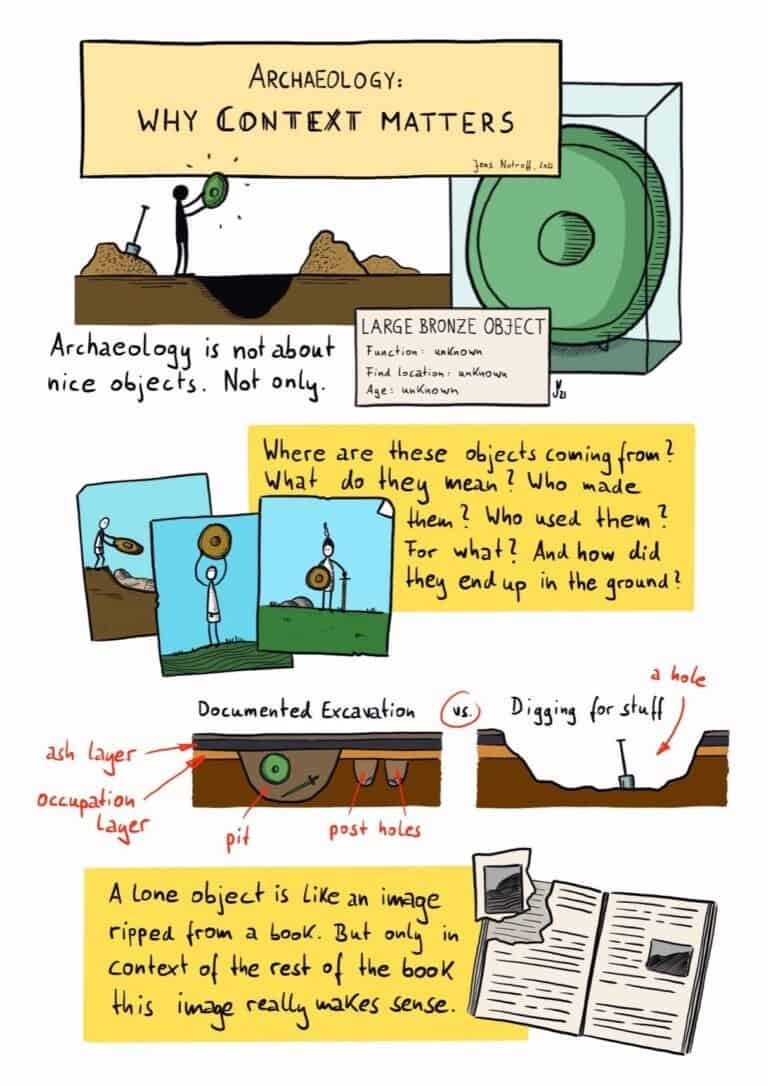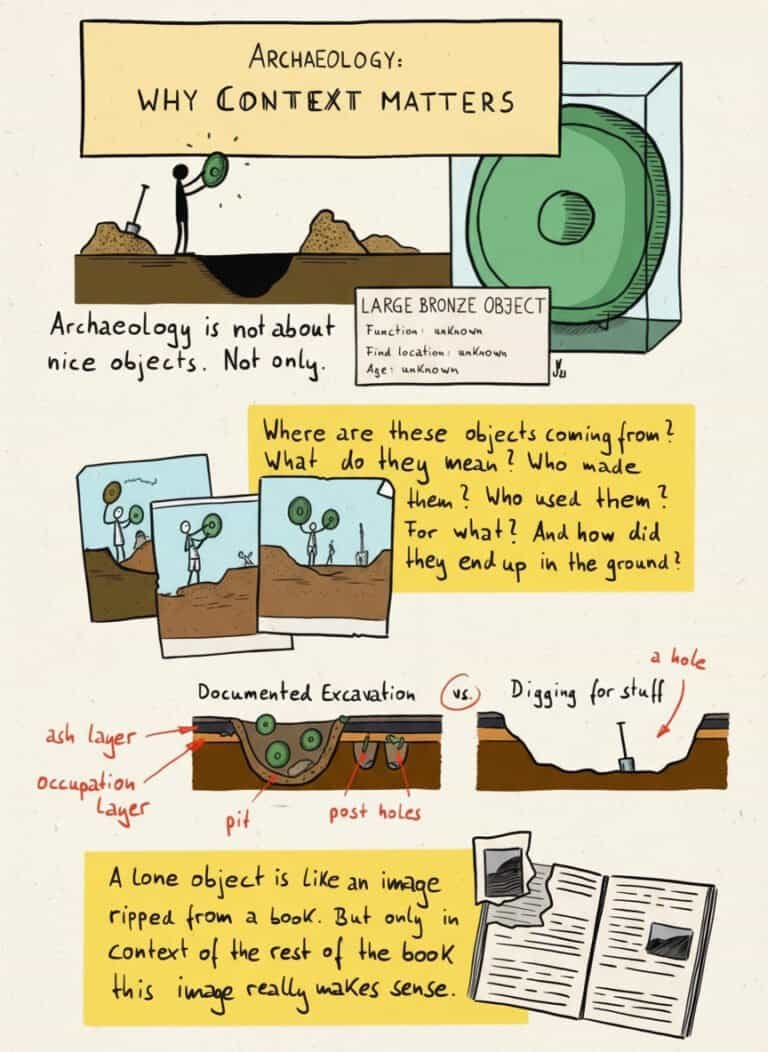
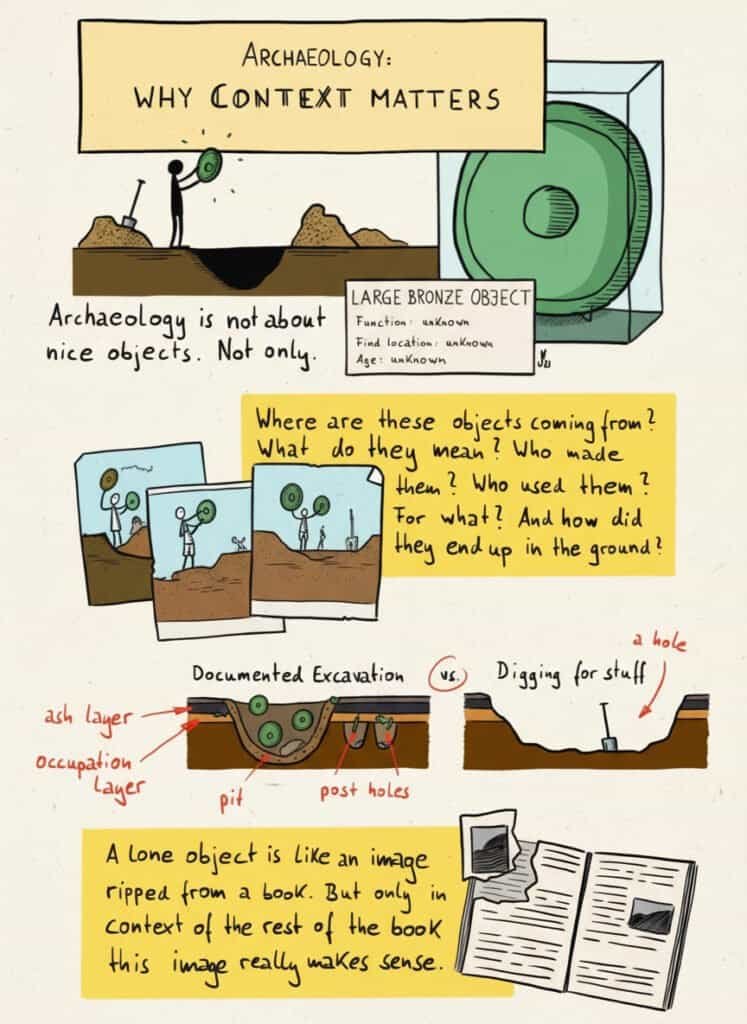
Artefacts are often perceived as the most visible outcome of archaeological work. Pottery fragments, metal objects, architectural elements, and tools attract attention because they are tangible and portable. Yet within archaeological methodology, objects alone are insufficient.
Meaning emerges through context.
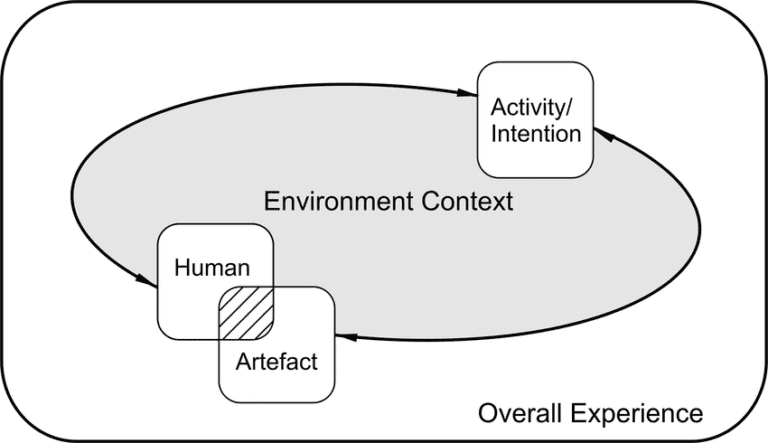
The relationship between an artefact and its surrounding layers, associated materials, and structural setting defines its interpretative value. A ceramic fragment recovered from a sealed stratigraphic unit conveys different information than the same object found displaced within later disturbance.
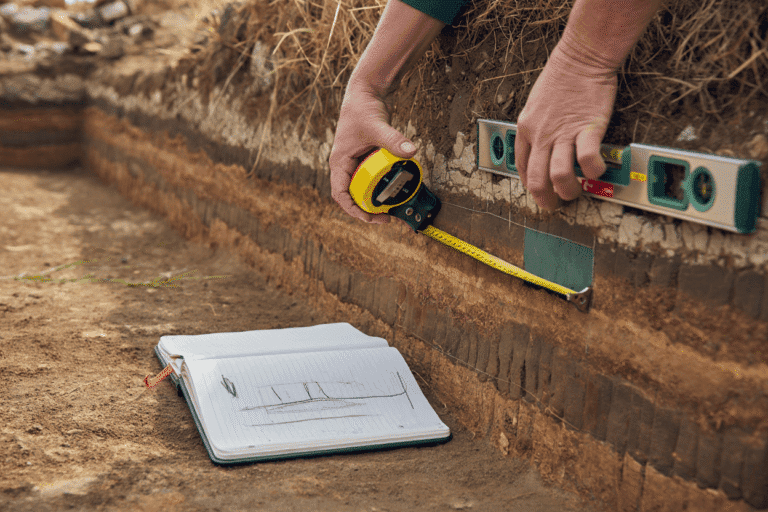
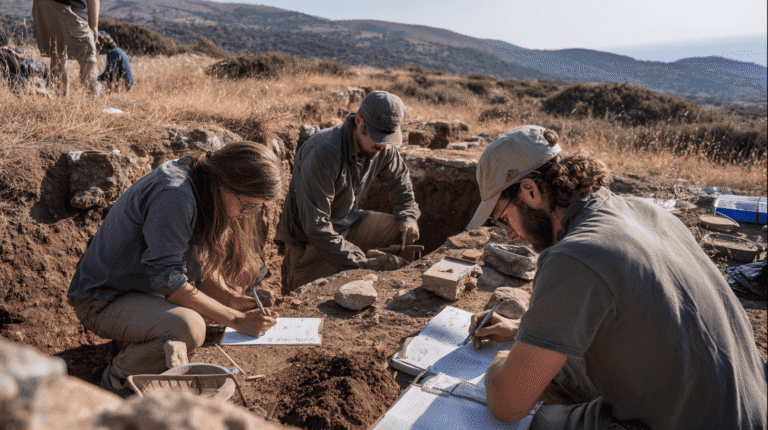
Field training therefore emphasises:
• Context sheets and recording protocols
• Precise spatial positioning
• Association mapping
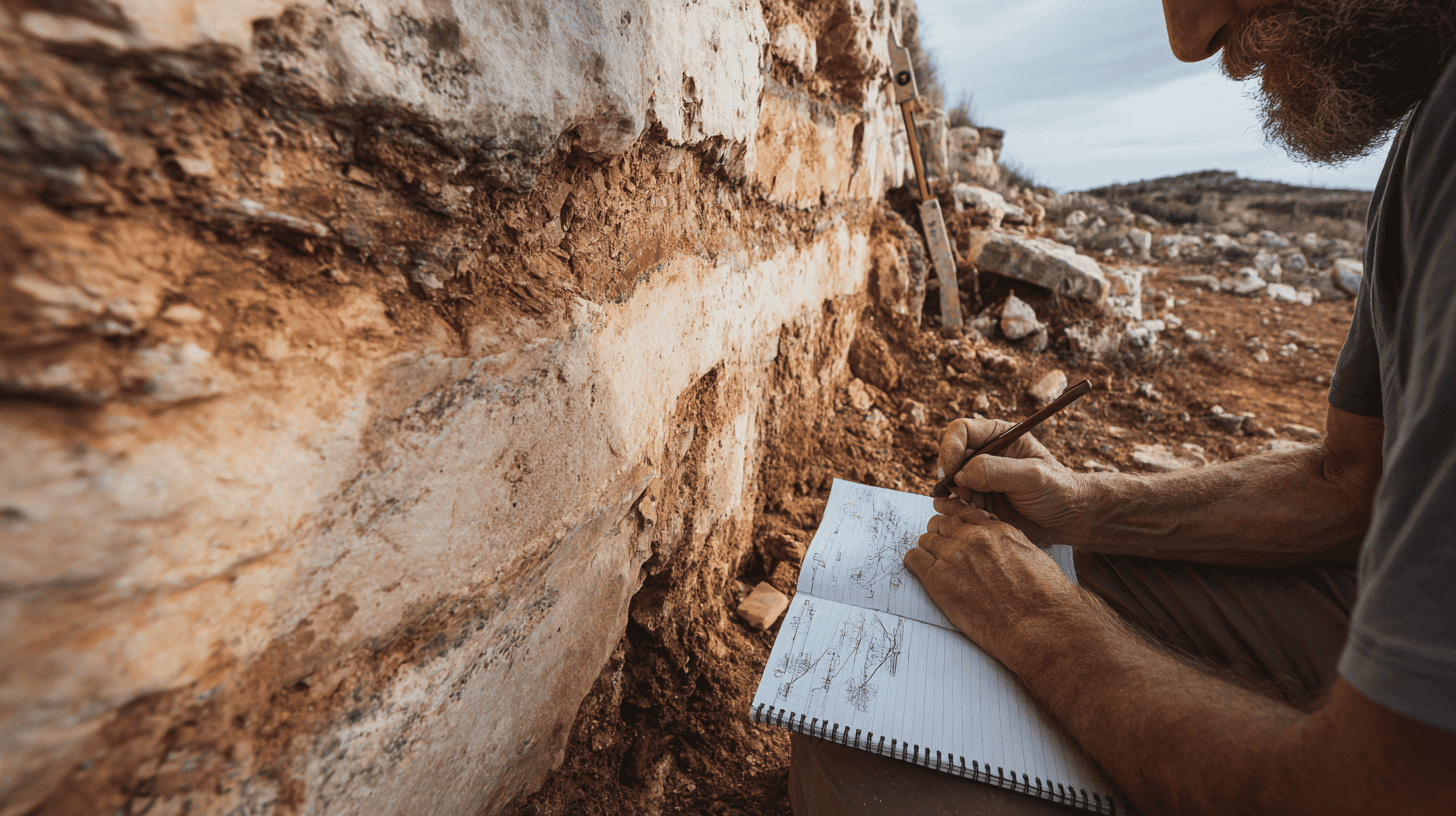
• Stratigraphic relationships
Students learn that documentation precedes removal. Interpretation follows sequence, not curiosity.
Museum study reinforces this principle. Objects displayed in cases represent only the visible outcome of a much larger process of contextual recording and analysis.
Archaeology is not the recovery of objects. It is the reconstruction of relationships.